The Informative vs. Intrusive Debate
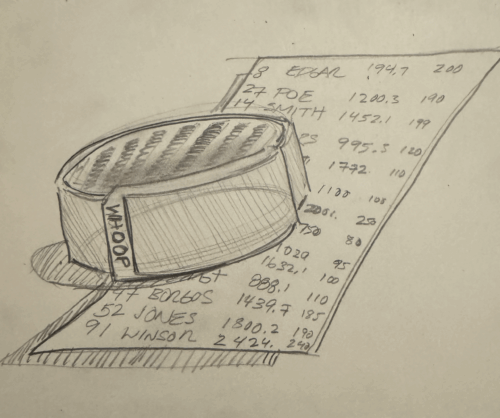
Graphic by Amelie Lima

Harvard’s impressive athletic programs have continued to supply athletes with new gear, equipment, and technology in order to create professional environments for daily team operations. The integration of Catapult GPS units, WHOOP bands, and other sporting tracking devices into training and competition for many Harvard teams can cause both appreciation and disruption. Athletes’ personal use of these devices is up for debate; the consensus on mandatory tracking in and outside of team environments can create a sense of intrusion in an athlete’s life away from their sport.
There are many examples of the benefits of using tracking devices in sports across teams at Harvard and in other collegiate sporting institutions. One important aspect to maintain player well-being is the device’s ability to track distance covered and exhaustion levels. This offers athletes and coaches the chance to assess athletic strain and prevent burnout, a common issue among many student-athletes. Many serious injuries result from overuse and overplay—both scenarios that can be prevented by using data provided by tracking devices.
WHOOPs, in particular, can track and share detailed numbers and statistics about an athlete’s sleep quality, recovery levels, and strain during day-to-day activities as well as athletic training. The device paints a clear picture of how an athlete should feel when they wake up and go to sleep. The sleep feature in particular has the ability to suggest a bedtime based on how well an athlete recovers from their daily strain. WHOOP devices can actively inform athletes about how to achieve optimal rest, offering a new dimension to the athletic lifestyle.
However, these data points can also cause unnecessary concern for student-athletes. While WHOOPs offer accurate information, they can also cause athletes to begin their days already feeling like they are unrested or unprepared to perform physically. It seems unnatural to have your performance capabilities determined by a device, when all that matters is if you yourself feel physically sound and prepared for game day. The unnecessary warning signs these devices provide may act as a restraint or mental barrier for athletes, who could find they cannot push themselves or perform due to their insecurity surrounding their physical state.
Furthermore, the constant pressure that tracking devices place on athletes to recover well adds a further layer of complexity to the uncontrollable elements of an athlete’s lifestyle. You can decide to get an early night before a big game, or to not have that extra coffee the night before an early morning practice. But sleep itself is not easy to control, and having a tracking device that informs you about your sleep quality and length may make it even harder to get a good night’s rest. This, therefore, has the opposite of the intended effect by causing athletes to overthink every decision related to their well-being.
Despite these potential inconveniences, tracking devices can offer athletes the chance to share their progress with fellow teammates and athletes. The value of social environments like these for athletes is understated, as it provides an extra sense of motivation and positivity. Whether it’s having groups on WHOOP or connecting your GPS tracker to apps such as Strava, these popular online sports communities give athletes a friendly platform. Athletes gain the ability to update members on their physical accomplishments while also providing them with an ability to record and log their workouts as part of a long-term goal or reflection process.
On the other hand, these platforms can also create toxic environments in which athletes compare themselves to others unhealthily. The subconscious awareness that other people can see your performance or recovery levels installs a sense of competition that may not necessarily be healthy for the individual and their personal needs for performance. Additionally, this tendency to compete with fellow athletes’ statistics is unrealistic. All athletes need different amounts of sleep, food, and training to perform well; comparing in these areas can sometimes cause more harm than good.
These devices should not be mandatory if they invade an athlete’s privacy. The use of tracking devices to measure distance covered, heart rate, and other training numbers is useful and closely connected to performance. However, any choice to use more in-depth devices, such as WHOOPs, should be made personally. These devices are technological leaps for only some athletes: those who find accessing this type of information helpful instead of harmful.
Tilly Butterworth ’28 (mbutterworth@college.harvard.edu) enjoys using her Catapult during practice (apart from when she forgets to return it to the shed).